What is Acupuncture?
Acupuncture is an tried and tested system of medicine that can be traced back over 2,500 years. Chinese physicians over centuries observed that by stimulating certain areas of the skin specific functions of the internal organs were affected. Acupuncture evolved as a system of healing as techniques developed and became more refined and the link between the skin, muscles, the nervous system and organ functions was better understood.
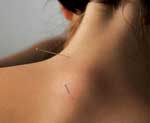
Acupuncture is used to treat and prevent physical and mental/emotional conditions, to restore a natural balance to the body and mind. According to traditional Chinese philosophy, our health is dependent on the body's motivating energy - known as qi - moving in a smooth and balanced way through a series of channels, akin to the nervous system, connected via and beneath the skin. The flow of qi can be disturbed by many factors, physical, mental and emotional, for example; anxiety, stress, anger, fear or grief, poor nutrition, weather conditions, hereditary factors, infections, poisons and trauma. By inserting fine needles into the channels of energy at specific points, acupuncture can stimulate the body's own healing response to restore its natural balance.
Patterns of stress either physical or emotional can over time cause chronic and acute illness. Chinese medicine diagnosis aims to identify the underlying root cause of a disease pattern or condition in order to give treatment to help prevent illness recurring, and which is specific for the individual's needs.
Acupuncture is effective for treating a variety of conditions and aims to improve health in all levels of body, mind and spirit. People often report that in addition to addressing their initial main complaint, acupuncture increases their sense of vitality, spirit and well-being. It is chosen to treat illness, but is also used preventatively, to maintain and promote good health.
Dietary recommendations are an integral part of acupuncture treatment and are considered essential to maintaining good health, within the traditional Chinese medicine health system.
What does it feel like?
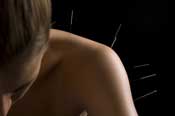
Fine acupuncture needles are inserted into the skin, and the sensation is often described as a light tingling or dull ache. Needles may be inserted and immediately removed, or may be left in place for thirty minutes or more, depending on the effect required. During treatment, patients commonly experience a heaviness in the limbs or a pleasant feeling of relaxation and feeling energised. The benefits of acupuncture frequently include more than just relief from a particular condition, and many people find that it can also lead to increased energy levels, as well as better appetite and sleep, and an enhanced sense of overall wellbeing.
What happens during treatment?
At the initial consultation you will be asked about your medical history, current condition, lifestyle, dietary habits and emotional state. As part of Chinese medical diagnosis, the practitioner will also feel your wrist pulses and look at your tongue. On the basis of the consultation a recommendation can be made regarding the frequency and duration of sessions. This first session will last 1.5 hours as there may be a lot of information to impart, and will usually include treatment. Subsequent sessions will last for 1 hour. Needles may be retained for between 20-30 minutes, depending on your condition.
How many treatments will I need?
The frequency and number of treatments you will need will depend on your condition. Some people begin to feel a significant change within 3-4 weekly treatments, but much depends on how chronic or acute the presenting condition is . Acupuncture treatment is tailored and adapts to the patient's changing condition. As your health improves, you will require less treatment, less often. Most people are seen weekly, but in an acute phase of a condition may need to be seen twice per week.
Once symptoms are better people often continue with acupuncture treatments to further strengthen their constitution to prevent recurrence, and also may want to address other related issues, to maintain health and wellbeing.
How can acupuncture help me?
Acupuncture is widely recognised to be beneficial for a range of conditions to do with fertility, gynaecology, low energy, stress and anxiety, musculoskeletal conditions, back pain, emotional issues, respiratory and gastro-intestinal health, skin conditions, asthma and hayfever, colds and immunity issues, and ME.
People choose acupuncture often because they need support during profound life changes, such as divorce, bereavement, leaving or moving home, relationship or work issues. Others may need more help with resolving acute physical conditions such as back pain or knee problems, or chronic conditions that have been endured over a long period of time, where conventional medicines have not fully resolved the problem.
Acupuncture is effective in treating female and male infertility, for those experiencing difficulties conceiving. People increasingly choose to have acupuncture as a safe and effective treatment to support the different forms of Assisted Reproductive Technologies (IVF). The feedback we get is that the benefits of acupuncture extend to helping couples cope with the emotional stress associated with this type of treatment, as well as increasing chances of conception and live birth rate. Acupuncture can also help with miscarriage issues and gynaecological problems such as painful periods or PMT, or ovarian cysts.
Acupuncture can also support people trying to overcome addictions such as those related to alcohol, drug use, food or smoking.
Is it safe?
Acupuncture is considered to be very safe. Every needle used is sterile, is used once only and then is disposed of safely, so there is no risk of infection.
Moxabustion and cupping
Acupuncture treatment also includes other techniques such as cupping and moxabustion.
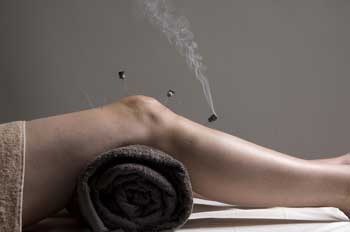
Moxabustion involves the burning of the herb Mugwort (artemesia vulgaris) - commonly called moxa - over specific areas of the body to warm and stimulate the circulation, and induce a smoother flow of blood and energy.
Research has shown that Moxa can help stimultate blood-flow in the pelvic area and uterus, and is very effective for turning breech presentations ((American Journal of Chinese Medicine - Winter 2001 Yoichi Kanakura et al). It can also help protect the body from cold and dampness, and can help strengthen and invigorate where there is weakness or deficiency e.g. with knee pain and debility, or joint issues such as arthritis.
Cupping involves using a specialised glass cup to create suction on the skin to improve blood and energy circulation.
For more information please call:
Chris 07956 464 222
Emma 07971 289 557
Or email: info@acupuncture-works.co.uk